How a Catastrophic Injury Settlement Actually Rebuilds Your Family’s Life

I have met thousands of Michigan families during the hardest moments of their lives. You survive a catastrophic auto, truck, or motorcycle crash, and your entire focus shrinks to the next surgery or the next hospital update. You think only about surviving the week. You need more than basic survival. I built Mike Morse Law Firm in 1995 to handle what comes next.
You will eventually leave the hospital. You will face a completely altered reality when you return home. Early offers may arrive before the full long-term picture is clear. In a catastrophic injury case, your legal team needs evidence of future care, earning loss, accessibility needs and other damages before it can evaluate whether an offer reflects your likely lifetime needs. We prepare your case to go to trial.
Lifetime Damages Can Include Housing, Attendant Care and Accessibility
We have recovered more than $2 billion for injury victims. You might see that number on a billboard or a website. You need to look at what that money actually buys to understand its real value. You treat a settlement check as a lifeline. You use it to put a foundation back under your family.
I see families use these funds to buy wheelchair-accessible homes. You cannot bring a spinal cord injury patient back to a two-story colonial with narrow hallways and a tiny bathroom. You need an open floor plan, widened doorways, and a roll-in shower. Depending on the evidence and the damages available in the case, a life care plan may identify home modifications or accessible housing as future needs. Those projected costs must be tied to the injured person’s actual medical and functional limitations, so the injured person has a home where they can move freely and independently.
You also need a plan for daily care. Spouses often burn themselves out trying to be 24-hour medical caregivers. You lose your role as a husband or wife when you spend every hour managing medications and lifting your partner in and out of bed. A damages model may include attendant care or skilled nursing when medical evidence shows that care is reasonably necessary. You get to be a spouse again. You get to be a parent again. These families buy back their dignity and their relationships.
Long-Term Medical Support Requires a Structured Financial Plan
Catastrophic injuries such as a traumatic brain injury or a severe spinal cord injury can create decades of medical, rehabilitation, equipment and support needs. The point of a life care plan is to identify those likely future needs and assign supportable costs to them over time. You cannot afford to guess what those costs will be. You get one chance to settle your case. You run out of money in ten years if someone miscalculates your needs today.
We work with qualified medical, rehabilitation, vocational and financial experts as the case requires. Certified life care planners can identify probable future medical and rehabilitation needs and quantify their costs, while economists or other qualified experts may address inflation, present value and earning loss. We account for every future surgery, every round of physical therapy, and every replacement wheelchair you will need. If a structured settlement is part of the conversation, its design is individual to your case and should involve qualified financial and tax professionals.
Transportation and Technology Keep You Connected to Your Community
You want to get back out into the world. You need specialized equipment to do that safely. A standard minivan will not work for someone paralyzed in a motorcycle crash. You need a custom-outfitted vehicle with a mechanical lift and hand controls. When medical and functional evidence supports it, projected damages may include modified transportation and replacement cycles over the person’s expected period of need.
Adaptive technology can be part of the future-needs analysis when it is medically and functionally supported. You might need voice-activated systems to control the lights, temperature, and doors in your home. You might need specialized communication devices. These are the tools that keep you connected to your friends, your family, and your community. The legal task is to document why the equipment is needed, how often it may need replacement, and what it is reasonably expected to cost.
A Catastrophic Injury Case Is Built Around Evidence of Lifetime Need
You should never need to understand the legal system to get a strong lawyer. You just need to know who to call. My firm levels the playing field against billion-dollar insurance companies. Depending on the issues in a case, we may retain qualified medical, rehabilitation, vocational, economic or reconstruction experts to address the parts of the damages and liability picture that require specialized expertise. We take on the financial risk so you can focus entirely on your physical recovery.
You face a long road after a catastrophic injury. We walk that road with you. The most important work in a catastrophic injury case is making the future visible, medically, functionally and financially, before anyone treats a single settlement number as the answer. If your family is on that road now, reach out to us at 855-MIKE-WINS and we will start building the plan for your family’s future.
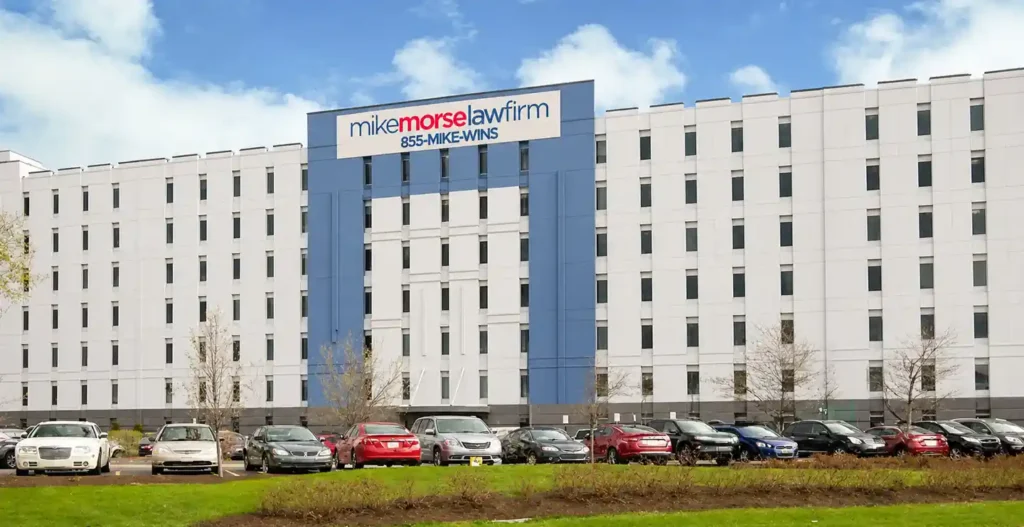
Content checked by Mike Morse, personal injury attorney with Mike Morse Injury Law Firm. Mike Morse is the founder of Mike Morse Law Firm, the largest personal injury law firm in Michigan. Since being founded in 1995, Mike Morse Law Firm has grown to over 250 employees, served 100,000 clients, and collected more than $2 billion for victims of auto, truck and motorcycle accidents. The main office is in Southfield, MI but you can also find us in Detroit, Sterling Heights and many other locations.