Dashboard Distractions Are Claiming Lives — These Are the Startling Reasons Why
Perhaps nowhere are technological advances more prevalent and visible to consumers than in today’s new cars. Automakers are plunging ahead with advanced driving aids and in-car entertainment options that turn vehicles into virtual theaters with surround sound and incredible holographic images projected right before drivers’ eyes, all while getting folks to their destinations sometimes even without requiring any direct driver interaction.
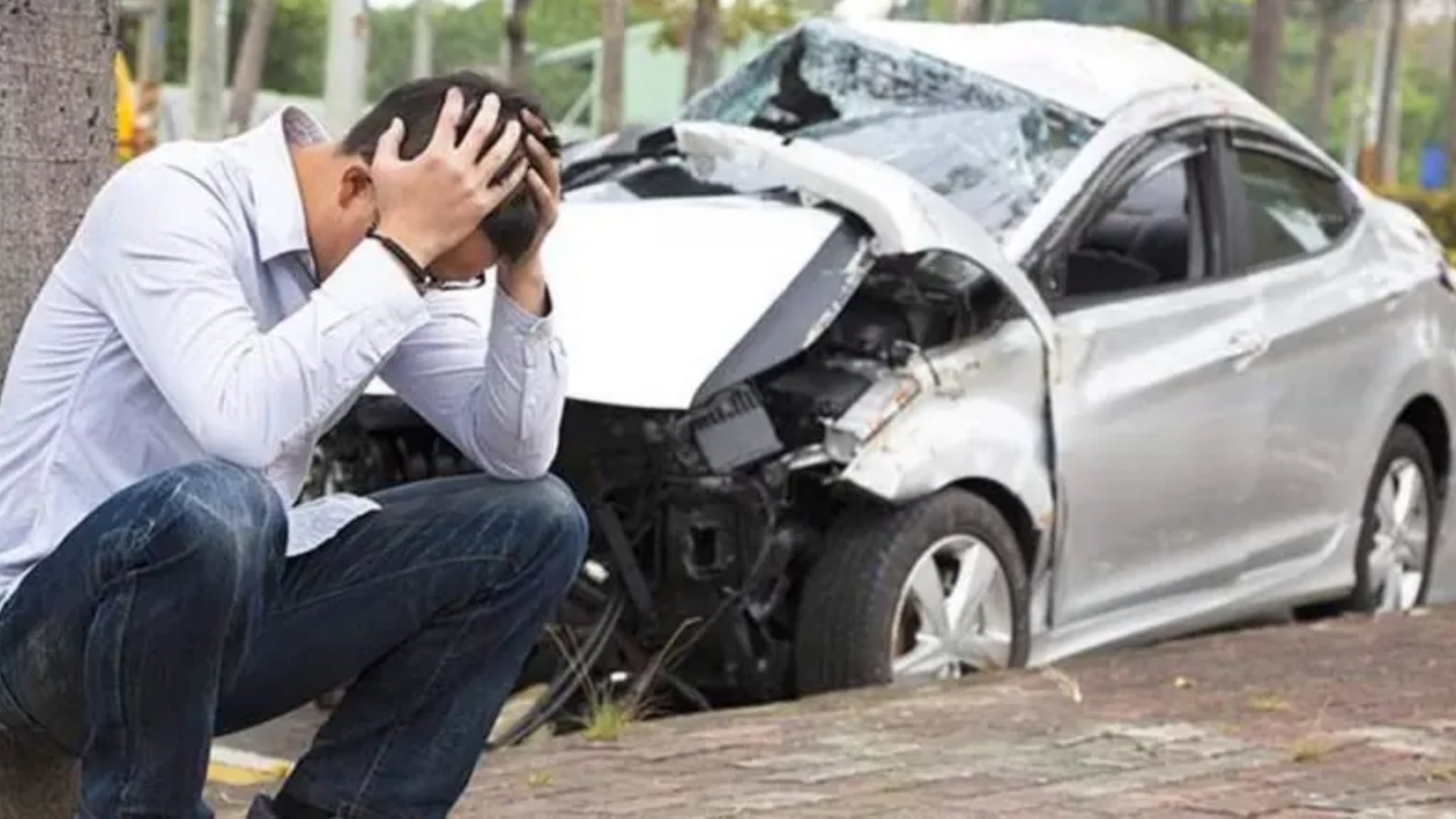
While many technological features are intended to make driving safer and get us to our destinations faster, others are resulting in notable accidents caused by careless drivers who can’t seem to keep their eyes on the road … and off such dashboard distractions as touchscreens, GPS navigation tools, infotainment centers, and (of course) their darn cell phones. But before we even talk about texting (which you know we have to, given Michigan’s current focus on highway safety and the need to reduce accidents caused by distracted driving), let’s touch upon some other big distractions currently causing safety issues and contributing to carnage on our roadways.
Self-driving cars take center stage as highway hazards
Consider, for example, the promise – and the problems – presented by self-driving vehicles. Certainly it sounds appealing to get into a car and arrive at your destination without ever having to attend to the rigors of dealing with heavy rush-hour traffic … or perhaps fighting to stay awake at night while traversing nearly empty rural highways. Sadly, though, there have been countless incidents where people behind the wheel have foolishly entrusted their lives, and those of innocent pedestrians, to automated driving technology, only to see innocent people maimed and killed due to the drivers’ inattentive behavior and technological failures. Just a couple of weeks ago, for example, the National Highway Traffic Safety Administration (NHTSA) opened another of many investigations into accidents linked to Tesla’s self-driving mode resulting from such actions as Tesla vehicles driving on the wrong side of roads and running red lights, which have caused numerous injuries and even deaths. In August, a Florida jury fined Tesla $243 million after it found Tesla’s autopilot system partially liable for a crash that killed one pedestrian and severely injured another. Just this October, another news report described the introduction of a more aggressive Tesla full self-driving option, dubbed “Mad Max” mode, that is reported to ignore speed limits and, in at least one case that was posted on social media, failed to obey a stop sign. In fact, “Max Max” acts so aggressively that it’s attracted the attention of federal regulators following numerous reports from drivers about its bad behavior.
Self-driving systems are just one of the many technological
distractions causing death and destruction on our roads
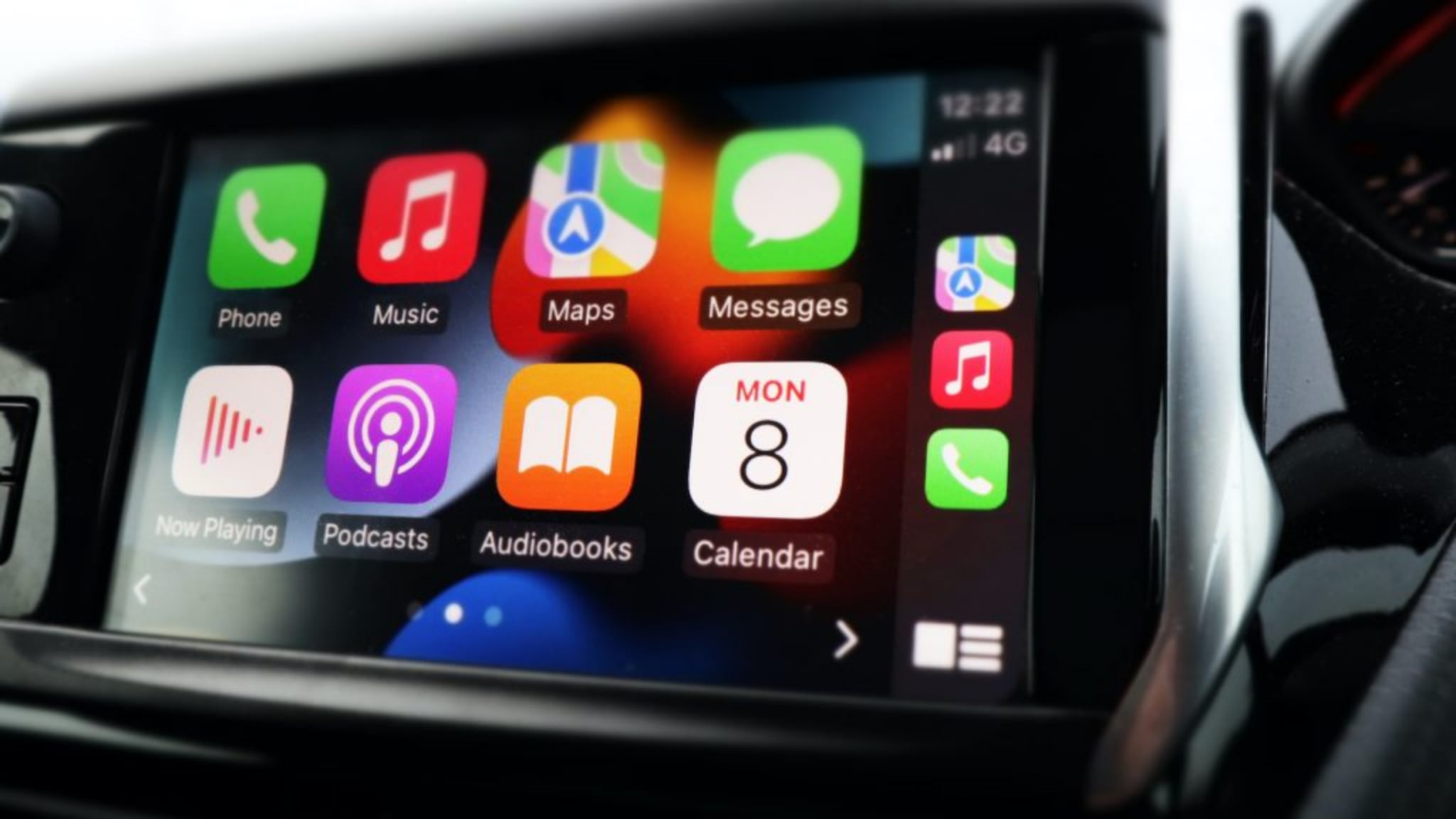
However, let’s be clear: true self-driving vehicles make up only a tiny percentage of cars, trucks and SUVs on American roads today, probably less than one percent even if you include the driverless freight trucks currently operating in Texas and the robotaxis now serving a few cities nationwide. So the vast majority of accidents are caused not by automated driving robots but by “robotic” human drivers who simply don’t pay enough attention to their surroundings due in some cases to the many distractions built into today’s vehicles. Those include massive touchscreens as wide as 55 inches spanning the entire dashboard, and “head-up display” (HUD) projection systems that can turn a vehicle’s windshield into the automotive equivalent of an interactive drive-in movie theater showing, among other data, such information as the current song (and even its album cover art!) that’s being played by the vehicle’s infotainment system.
With such engaging interactive capabilities, it’s probably not hard to imagine some drivers are paying far more attention to their touchscreens and windshield imagery than they do to the road ahead of their vehicles. In fact, an NHTSA study conducted by Virginia Tech revealed exactly such a scenario unfolding when it showed that emergency-situation reaction times for drivers mesmerized by head-up displays were delayed by a few tenths of a second compared to the response times measured with other drivers. At 70 miles an hour, a delay of just four tenths of a second means a car would travel an extra 41 feet before the driver could act at all to avert an impending collision – a distance that could be a matter of life or death for an unwary pedestrian, a bicyclist, or some other innocent victim.
Drivers ignoring Michigan’s hands-free cell phone law, plus ongoing
technological updates, will likely contribute to continued carnage
Add to that all the other dashboard distractions facing drivers, and it’s a wonder we’re not seeing far more injury accidents than we already deal with on a daily basis here at Mike Morse Law Firm – despite the recently-enacted Michigan law banning drivers from holding their phones even when they’re stopped at traffic signals! Yes, the law says you must not touch your phone while waiting for a red light to turn green! Along those lines, this quick one-page guide to the state’s hands-free law might be helpful to share especially with any younger drivers you may know who are prone to picking up and scanning their phones for new text messages or TikTok videos at every opportunity.
What’s more, the situation is not likely to improve in the near term, especially when a bellwether car company like General Motors is planning to replace familiar hands-free cell phone mirroring tools such as Apple CarPlay and Android Auto with their own proprietary system that will, at least initially, impose a new learning curve on drivers who won’t be familiar with the changes.
All of this means that we don’t expect to see any reduction in technological distractions and the accidents they sometimes cause anytime soon, which likely also guarantees the dedicated personal injury attorneys at Mike Morse Law Firm some genuine job security in the foreseeable future!To sum it all up, we thought it would be beneficial to remind readers of several other articles we’ve published here on the topic of driver distractions and their painful consequences, including the dangers of cognitive, visual, and manual distractions; the fact that distracted driving has been proven to be six times more dangerous that drunk driving; an outline of Michigan’s hands-free driving law and the penalties for drivers who disobey it; an interview with Mike Morse and WDIV television news anchors discussing the perils of distracted driving; and a discussion of how texting in particular can increase the risk of getting into an accident by a whopping 23 times.
Which leads us to mention that if you’re ever the victim of a careless driver who’s been diverted by vehicle technology, preoccupied by an incoming text message, or even distracted by the wails of an inconsolable infant screaming in the back seat, we can help you receive compensation for your pain and suffering, along with reimbursement for any medical costs you might incur for immediate first aid, ambulance services, emergency room treatment, hospitalization, rehabilitation, and long-term care resulting from the accident. We can also help you recover and live your best life possible by taking on the companies that created these distracting technologies and seeking punitive damages for their criminal actions where possible. To get us started working on your case, never hesitate to call 855-MIKE-WINS (855-645-3946) right away. We’re always here for you.
Content checked by Mike Morse, personal injury attorney with Mike Morse Injury Law Firm. Mike Morse is the founder of Mike Morse Law Firm, the largest personal injury law firm in Michigan. Since being founded in 1995, Mike Morse Law Firm has grown to over 250 employees, served 100,000 clients, and collected more than $2 billion for victims of auto, truck and motorcycle accidents. The main office is in Southfield, MI but you can also find us in Detroit, Sterling Heights and many other locations.