Celebrating Juneteenth: Freedom’s Delayed Arrival
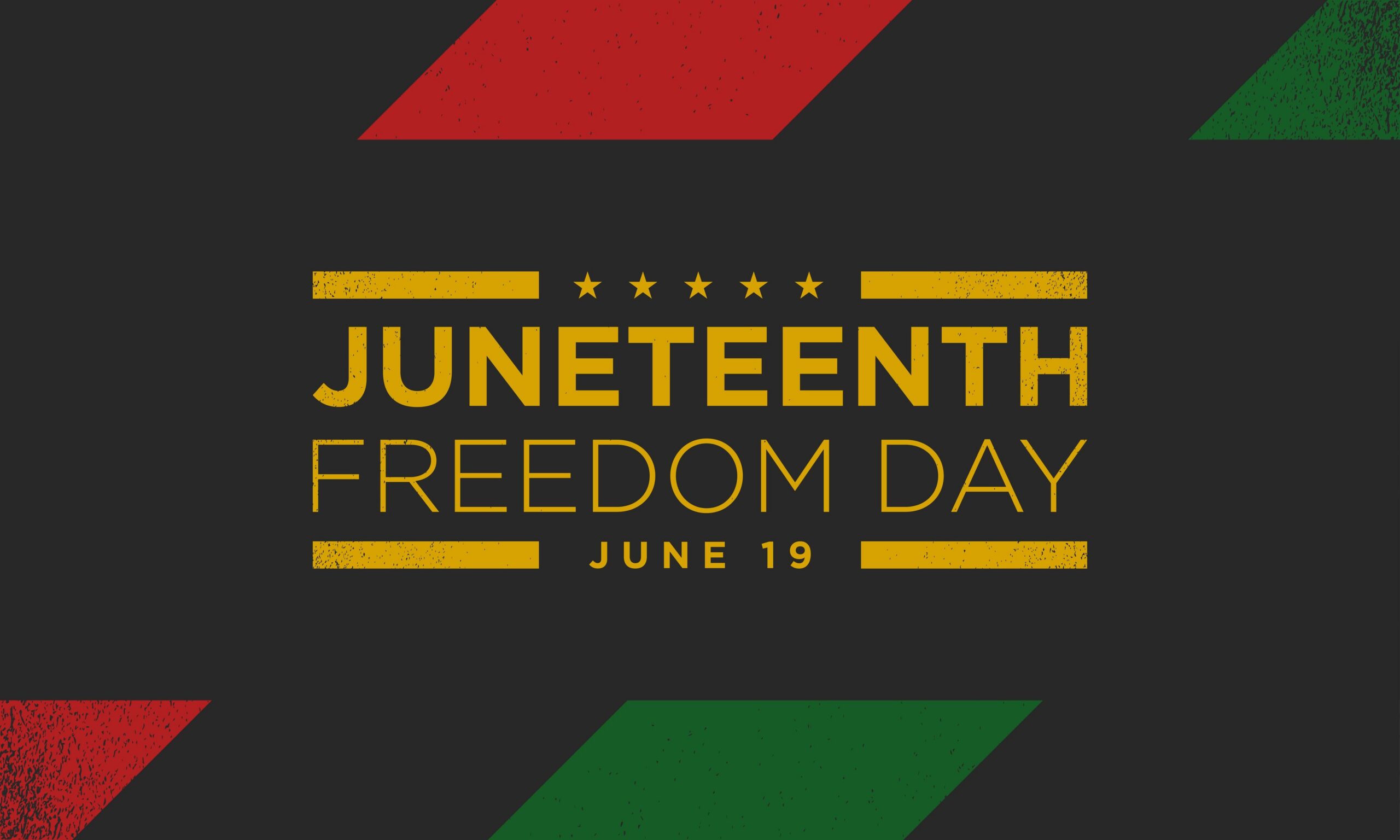
On June 19, 1865, Union soldiers arrived in Galveston, Texas, with news that would change the lives of thousands: the Civil War was over, and enslaved people were free. This announcement came more than two and a half years after President Lincoln’s Emancipation Proclamation had technically freed enslaved people in Confederate states. The delay was due to a combination of factors, including the limited presence of Union troops in Texas and the resistance of slaveholders to relinquish their hold on enslaved labor. That day, now known as Juneteenth, marks the moment freedom finally reached one of the last bastions of slavery in the United States.
For generations, Black Americans in Texas and beyond have observed Juneteenth as a day of remembrance, reflection, and celebration. Early commemorations often included prayer services, readings of the Emancipation Proclamation, and gatherings featuring food, music, and storytelling that passed history down through families and communities. As Black families migrated across the country in the decades following emancipation, they carried these traditions with them, spreading Juneteenth celebrations far beyond Texas and turning it into a broader symbol of African American freedom and resilience.
In 2021, Juneteenth was officially designated a federal holiday in the United States, a recognition that had been decades in the making through grassroots advocacy. This formal acknowledgment brought renewed national attention to the holiday’s significance, prompting many people to learn about its history for the first time. While the federal designation marked an important milestone, it also sparked conversations about how the holiday should be observed, who gets to tell its story, and the importance of centering the voices and experiences of Black communities in those observances.
Today, Juneteenth is marked by a wide range of activities, from solemn historical reflection to joyful festivals featuring red foods and drinks, live music, and family cookouts, traditions rooted in resilience and celebration that have been passed down for generations. At its core, the holiday invites everyone to reflect on the long and often uneven journey toward freedom and equality in America, and to recognize that the promise of liberty announced in 1776 took nearly another century to begin extending to all. Whether through community events, educational programs, or quiet personal reflection, Juneteenth offers a meaningful opportunity to honor history while looking toward a more equitable future.
Content checked by Mike Morse, personal injury attorney with Mike Morse Injury Law Firm. Mike Morse is the founder of Mike Morse Law Firm, the largest personal injury law firm in Michigan. Since being founded in 1995, Mike Morse Law Firm has grown to over 250 employees, served 100,000 clients, and collected more than $2 billion for victims of auto, truck and motorcycle accidents. The main office is in Southfield, MI but you can also find us in Detroit, Sterling Heights and many other locations.