Black Ice Season Is Upon Us. Watch Your Step, Drive With Care, And Stay Safe This Winter!

Get ready! It’s the time of year for egg nog, holiday shopping, festive family get-togethers … and on the flip side, slippery roads and slick sidewalks accompanied by slip-and-fall accidents and unexpected car crashes. Let us be the first to say that the coming winter months don’t have to be tragic, as long as you (and other drivers) take the time to be careful, and property owners make the effort to keep their sidewalks clear of winter’s many weather-related slip-and-fall hazards.
To that end, today we’ll cover some tips on staying safe this winter, both while walking around town and driving on our state’s roads, and we’ll outline the legal protections in place for any Michiganders who do unfortunately get injured due to the negligence of property owners who fail to provide safe surroundings for visitors and guests. Let’s start by discussing the dangers posed by black ice – especially to the people who are most at risk of being injured in falls: senior citizens.
If you hadn’t guessed, the people most severely impacted by falling incidents are folks aged 65 plus. Falls are always dangerous – but they’re especially so for senior citizens. In fact, injuries resulting from falls are the number one cause of death for older Americans. And a lot of these types of accidents happen at this time of year. Indeed, one out of every four senior citizens will take an unexpected fall in any given year, and the added hazards presented by snow and black ice increase the potential for danger over the coming few months. We’ll come back to that in a moment, but first let’s take a look at the place where most falls happen – inside our own homes.
Tips on avoiding falls are mostly simple common sense
We should start by saying that so many falls happen at home not because our houses are inherently dangerous, but most likely because it’s where we spend the greatest amount of time and it’s where folks feel safest and can let down their guard. But taking familiar surroundings for granted can be a big mistake. That’s why the geriatric medicine experts at the Mayo Clinic recommend that seniors take several key steps to help avoid falling in their homes, not just during the winter months but at any time of year. Among the clinic’s advice are the following tips: first, if you’re taking a medication known to cause dizziness, ask your doctor if there might be alternatives that could reduce that possibility, or see if your dosage can be modified to limit the risk of falling; second, stay physically active to help keep your sense of balance and retain good muscle tone; third, choose safe footwear to avoid tripping (high heels are especially chancy); fourth, properly light your home to help you see better and avoid potential hazards; and fifth, remove any items that could possibly trip you up, including spilled liquids, loose rugs, or stray electrical cords.
Away from home, many harmful falls happen in places like sidewalks and parking lots. So take special care when exiting your car during the winter months. If another vehicle has recently occupied the parking spot you’re taking, it might have shaded a thin layer of black ice, leaving a treacherous, nearly invisible surface that could cause you to take a spill. The same holds true in spots where evergreen trees or buildings might have prevented the sun from melting black ice, or especially where downspouts have funneled melting snow in the daylight hours, only to have it refreeze overnight, leaving slick patches that could catch you unawares. If property owners fail to remove this hazard, you could suffer serious injuries through no fault of your own! Fortunately, Michigan law provides recourse for innocent people who are hurt in these types of situations. Let’s take a few minutes to explain how the law works to protect you under these circumstances.
Recent changes to Michigan law make property owners more liable for removing dangers faced by innocent pedestrians
In the past, a legal principle called the “natural accumulation” doctrine often made it possible for property owners to avoid liability if someone was injured due to snow and ice. Fortunately, rulings by the Michigan Supreme Court a couple of years ago have altered that prior interpretation of the law, holding property owners more accountable for providing safe conditions for anyone authorized to be present on their grounds. That would include (but not be limited to) shoppers visiting malls, grocery stores or other retail businesses; people going out to watch holiday movies at theaters or attending Christmas concerts at churches; even workers simply walking into their places of employment.
Ever since a landmark Supreme Court decision in 2023, which we outlined in this detailed article at the time, Michigan property owners are being held to a new standard of “reasonable care” which essentially states that they must take reasonable measures within a reasonable time to remove such hazards as snow and ice in order to provide a safe environment for pedestrians. Going forward, based on this current interpretation of the law, slip-and-fall personal injury cases will be judged more on their individual circumstances, as opposed to past rulings which basically said victims had a responsibility to observe and avoid “open and obvious” hazards on their own (which allowed property owners to simply ignore dangers that might result in injuries to innocent visitors).
Black ice isn’t limited to sidewalks and parking lots – highways can be hazardous, too!
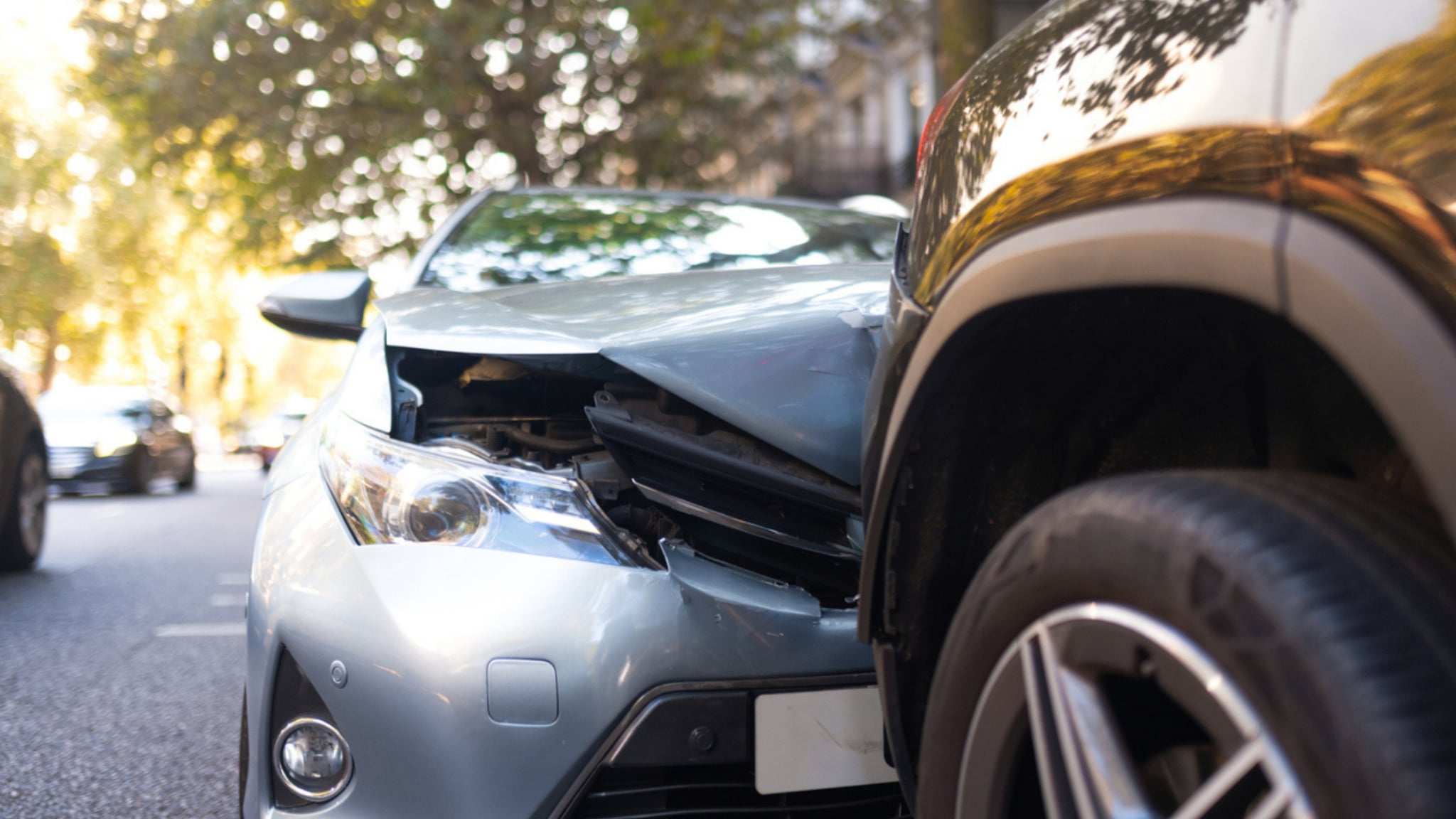
While the dangers of black ice to pedestrians are obvious, it goes without saying that a skin of ice can also accumulate on roads, leading to unexpected accidents when drivers aren’t paying attention or haven’t properly maintained their vehicles (such as waiting too long to replace worn tires, or choosing tires unsuitable for winter driving conditions). So pay attention to the weather forecast and current outdoor temperatures. If it’s near or below freezing, there’s always a chance there could be black ice on road surfaces. By the way, road tests have proved that tires especially designed for winter driving do actually provide better stopping distances in icy conditions.
Snowfall, sleet, and freezing rain can also contribute to danger on state roads. The Michigan State Police website points out that stopping distances on snow and ice can be 10 times as long as they are on dry roads. State Police officials also caution drivers that four-wheel-drive (and all-wheel-drive) vehicles often feel less likely to slip during acceleration, but they are just as hard to stop on icy roads as cars with traditional drivetrains. So don’t be misled by your sure-footed AWD/4WD system – or you just might find yourself skidding out of control when you have to step on the brakes to avoid a crash this coming winter! Check the State Police website for a variety of other tips that can help you stay safer in snow, ice, and other winter weather.
We can help if you get hurt in a crash that’s not your fault, or if you take an unexpected fall this winter
As we’ve written here before, it’s a good thing that Michigan law protects your right to sue negligent parties for damages if you’re seriously injured through no fault of your own by an irresponsible property owner or a careless driver. But we don’t suggest taking legal matters into your own hands. Instead, call us and our dedicated team of personal injury attorneys will look into your situation and take appropriate steps to help you receive the compensation you deserve so you can recover from your injuries and enjoy life to the fullest once again. With our famous contingency fee arrangement, you will never pay a penny out of pocket for our services. Which means winter, spring, summer, or fall, all you need to do is call 855-MIKE-WINS (855-645-3946) and we’ll take it from there!
Content checked by Mike Morse, personal injury attorney with Mike Morse Injury Law Firm. Mike Morse is the founder of Mike Morse Law Firm, the largest personal injury law firm in Michigan. Since being founded in 1995, Mike Morse Law Firm has grown to over 250 employees, served 100,000 clients, and collected more than $2 billion for victims of auto, truck and motorcycle accidents. The main office is in Southfield, MI but you can also find us in Detroit, Sterling Heights and many other locations.