Why Head-On Collisions Are Disproportionately Lethal

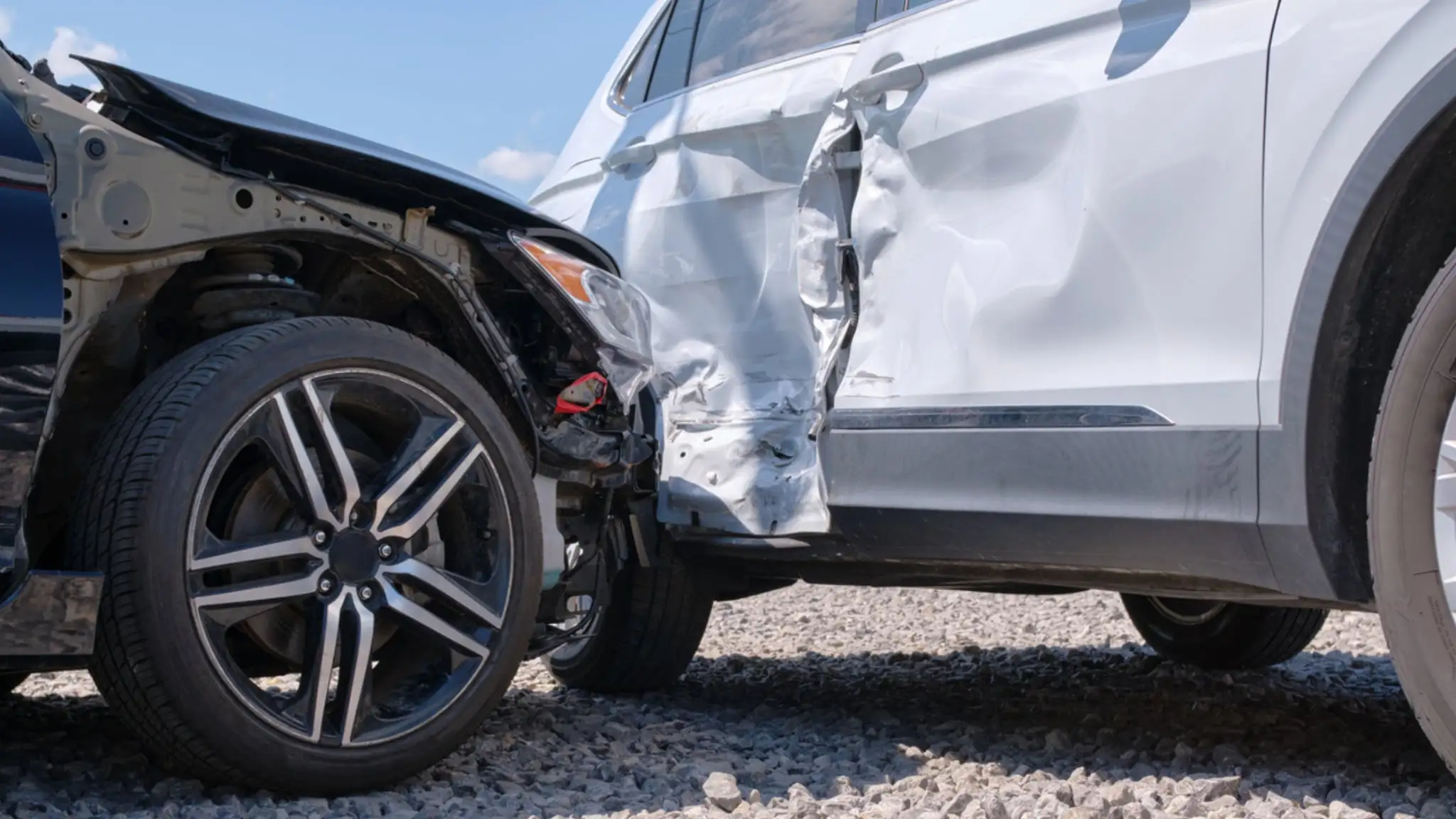
Among the worst accidents we see as personal injury attorneys are head-on collisions. This type of incident results in some of the most extreme crash forces imaginable, due to the high speed of impact and the very direct contact between two vehicles moving in essentially opposite directions. And the bigger the vehicles involved, the more powerful the forces of impact experienced by the drivers and their passengers become. Small, lightweight passenger cars are the most vulnerable of all – especially when they’re slammed into by SUVs or larger vehicles – while larger, heavier vehicles more effectively protect their occupants in a crash but can contribute significantly to the carnage experienced by others.
There are two main types of head-on collisions, each with its own devastating consequences.
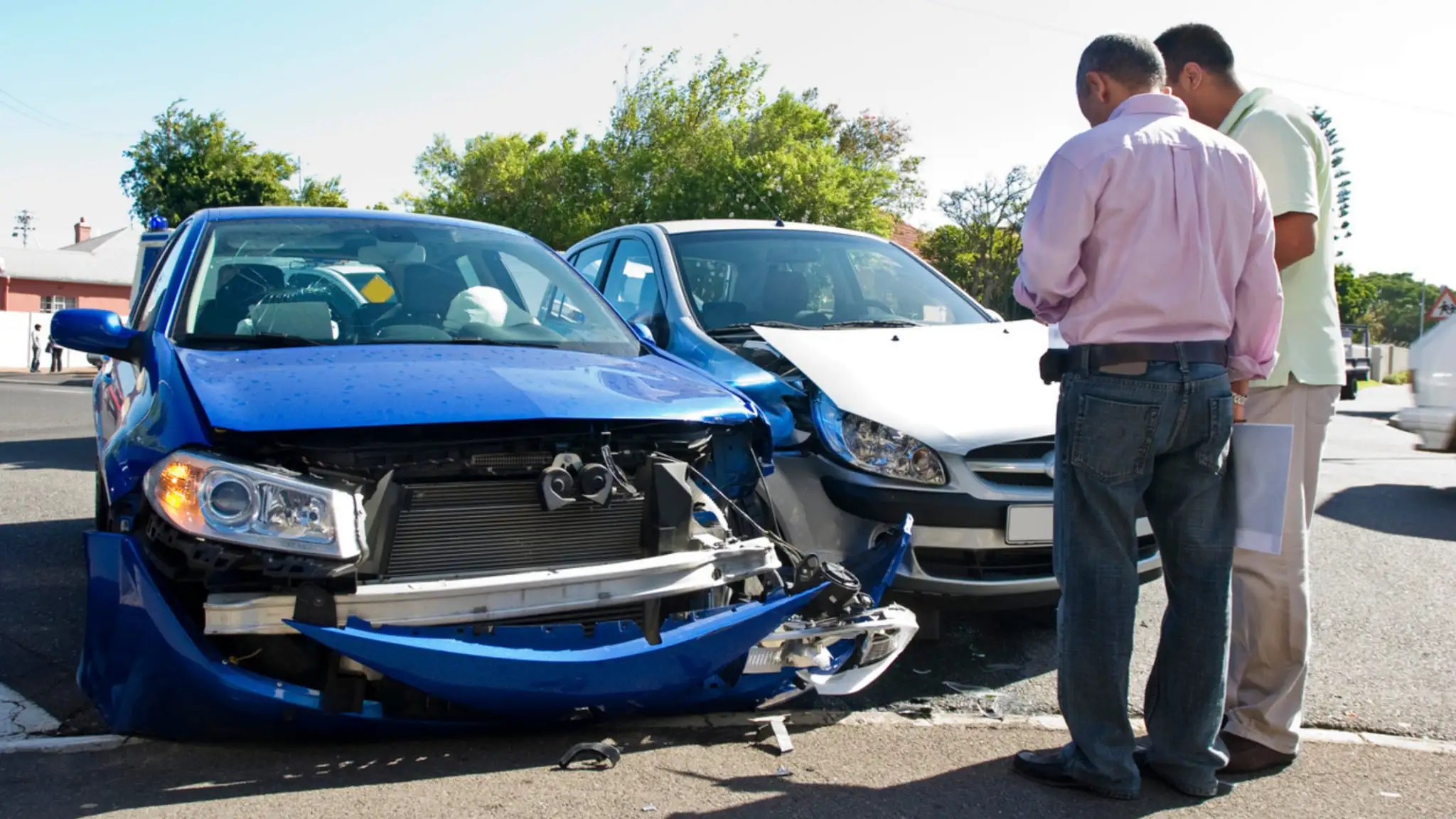
You might find it interesting to know that there are actually two main kinds of head-on accidents tracked by the Michigan State Police: direct head-on crashes (as might happen when a car is going the wrong way down an interstate), and left-turn head-ons (where one vehicle gets hit while attempting to make a left turn in front of an oncoming vehicle). While both types of head-on collisions are deadly, each of these categories of crashes has its own specific type of dangers.
Direct head-on crashes result in huge
G-forces all impacting vehicle occupants
In a direct head-on crash, impact forces are additive, meaning that when two cars traveling at 70 miles per hour meet in a head-on collision, it’s as if they were actually going 140 miles per hour. No number of automotive airbags or crush zones (areas specifically designed to collapse when a unibody vehicle is hit to help protect occupants) can fully absorb that amount of kinetic energy. In fact, the forces exerted on the human body in this type of crash can far exceed those experienced by NASA astronauts or even fighter pilots! (You can check the strength of the force you might experience in such a crash with this interactive tool.) For instance, one source notes that a crash victim weighing 150 pounds can experience 60 Gs in a high-speed collision – the bone-crushing equivalent of 9,000 pounds of dead weight!
And Michigan drivers experience a lot of direct head-on crashes. In 2023, (the most recent year for which we have complete statistics), there were more than 3,000 direct head-ons statewide, with nearly 1,500 taking place in Wayne, Oakland, and Macomb counties alone.
Left-turn head-on crashes expose passengers
in the “suicide seat” to even more danger
While this second type of crash has less impact force than direct head-on collisions (since one of the two vehicles is moving relatively slowly compared with the other), left-turn head-ons have their own specific dangers, with one passenger in particular seeing a higher level of risk. The front passenger seat is exposed to oncoming traffic whenever a car is turning left, resulting in that particular location in a vehicle sometimes being labeled the “suicide seat.” And while front- and side-impact airbags have helped reduce fatalities in this type of crash (among others), it’s only logical that passengers in the right front seat are hurt more often than other occupants in the vehicle in a left-turn head-on collision since they often find themselves directly in the path of oncoming vehicles. (By the way, the safest place in almost any vehicle in nearly any kind of crash is the rear seat, which is why the Insurance Institute for Highway Safety (IIHS) encourages parents to be sure their children are always sitting in the back if at all possible. Specifically in an article describing its 2025 crash test results, the IIHS says this: “Regardless of a vehicle’s performance in the updated test, the second row remains the safest position for children under 13.”)
Compared to direct head-ons, there are relatively large numbers of left-turn head-on crashes reported statewide. In the same year noted above (2023), drivers in Wayne, Oakland, and Macomb Counties experienced 3,000 left-turn head-ons, while the statewide total surpassed 7,000!
What causes head-on collisions?
There are a number of contributing factors that can lead to these kinds of deadly crashes, including simple human impatience, driver distraction, poor (often icy) road conditions, drunk- or drugged-driving, irresponsible driving, improper or illegal passing, and more. Let’s briefly discuss each of these issues.
When drivers become impatient, as often happens while waiting to turn left against a non-stop flow of oncoming traffic, it can lead to bad decision-making when the turning driver thinks an approaching vehicle is traveling slower than it really is. A split-second decision to turn left into the path of an oncoming car can lead to a lifetime of pain and regrets. Don’t be the kind of driver who has to live with that kind of lasting guilt.
Texting while driving can also lead to all kinds of accidents, including deadly head-ons. Michigan law is strict about texting. Don’t do it, and you won’t have to face the consequences … or look the family of the innocent person you killed in the eyes from a witness stand in the courtroom. This article discusses the triple-threat of texting and why it’s so deadly – in fact six times more dangerous than drunk driving.
Drunk driving might seem superficially less dangerous than texting, but there are apparently a lot of impaired drivers out there since more than 30 percent of fatal accidents involve alcohol. It goes without saying that driving under the influence of booze – or any other drugs for that matter – is against the law and puts you at risk of some serious time behind bars. Why take that chance when you can call Uber or Lyft after you’ve had a few beers or smoked a blunt?
Two other very preventable causes of head-on crashes are illegal/improper passing and poor road conditions (usually resulting from snow or ice on the road surface). Both of these problems can be solved easily. If you can’t see beyond the vehicle you wish to pass, and there’s a solid yellow line on your side in the center of the road, stay put and wait until the road ahead is clear. Is arriving at your destination a few minutes early worth risking your life (and the lives of other innocent drivers)? Take your time and arrive safely. In case you need it, here’s a quick refresher course on Michigan’s rules regarding passing.
Here’s how drivers can stay safer even
if they become involved in a head-on crash
Despite all our advice, we know that accidents can and do happen – even to the safest drivers. So here are a few things you can do to be sure you maximize safety and minimize the risk of getting hurt in a head-on collision. First, everyone in your vehicle should always be wearing their seatbelts. They’re the first line of defense in any type of accident. Beyond taking that basic step to protect yourself and your loved ones, be sure your car’s airbags are not deactivated (some can be manually turned off in older vehicles). Next, have any outstanding airbag safety recalls performed to be sure yours are working properly, and don’t ever drive a vehicle in which the airbags have been deployed in an accident and not professionally replaced afterward. (Due to their high cost, it can be tempting not to install new airbags following an accident in which they’ve deployed, but don’t give in to that temptation. Your car’s safety system is designed to protect you in several ways, and without airbags as part of the equation you’re genuinely tempting fate!)
Another way to stay safer from head-on collisions is to choose roads (such as Telegraph Road or Woodward Avenue) that provide opportunities to make a so-called “Michigan left,” where a convenient turn-around lane beyond the intersection where you plan to turn left permits drivers to make a U-turn and then turn right onto the chosen road instead of having to make a direct left turn against oncoming traffic. In the years since it was developed by some highly intelligent traffic control engineers, this safety innovation has prevented countless accidents and is credited with reducing left-turn head-ons by up to 90 percent!
What to do immediately after a
head-on… or any type of car accident
If you’ve been in an accident – whether it was a head-on crash, a T-bone collision, or you were simply sideswiped by an irresponsible driver – there are several steps you need to take to protect yourself, your passengers, and other drivers. This article outlines what you should do immediately following any crash, starting with that all-important call to 911 so first responders can come to your aid. You’ll note that it also emphasizes our advice to quickly get in touch with the team of Mike Morse Law Firm attorneys specializing in head-on collisions at 855-MIKE-WINS (855-645-3946). We’re available 24/7/365 by phone or you can contact us online, too! Don’t wait to make that call so we can begin gathering evidence to prove you were not responsible for what happened, and to help you receive all the compensation you’ll need to recover from your injuries. We promise you won’t regret it.
Content checked by Mike Morse, personal injury attorney with Mike Morse Injury Law Firm. Mike Morse is the founder of Mike Morse Law Firm, the largest personal injury law firm in Michigan. Since being founded in 1995, Mike Morse Law Firm has grown to over 250 employees, served 100,000 clients, and collected more than $2 billion for victims of auto, truck and motorcycle accidents. The main office is in Southfield, MI but you can also find us in Detroit, Sterling Heights and many other locations.


Related Articles