What If I Was Partly to Blame for My Car Accident?

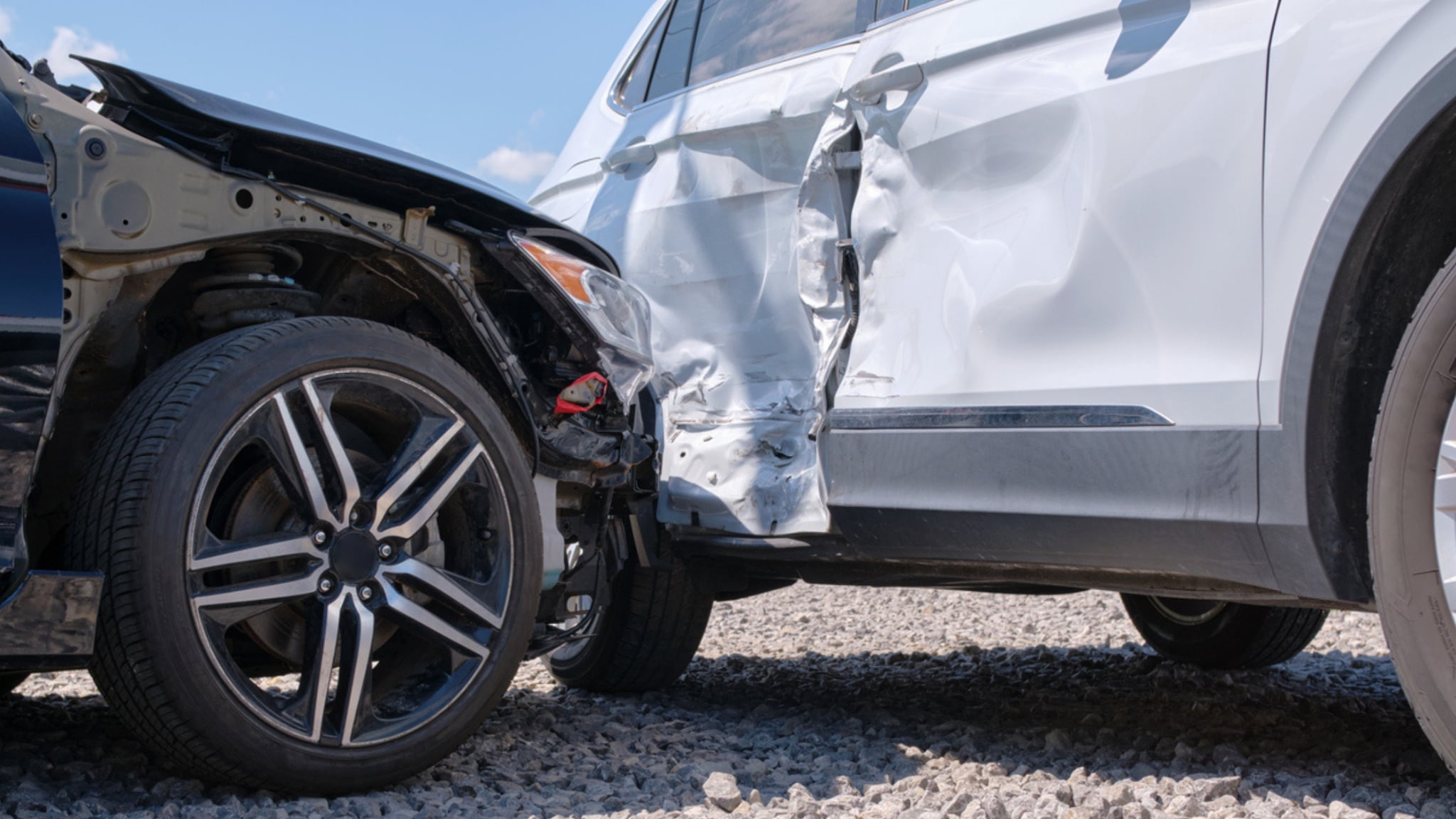
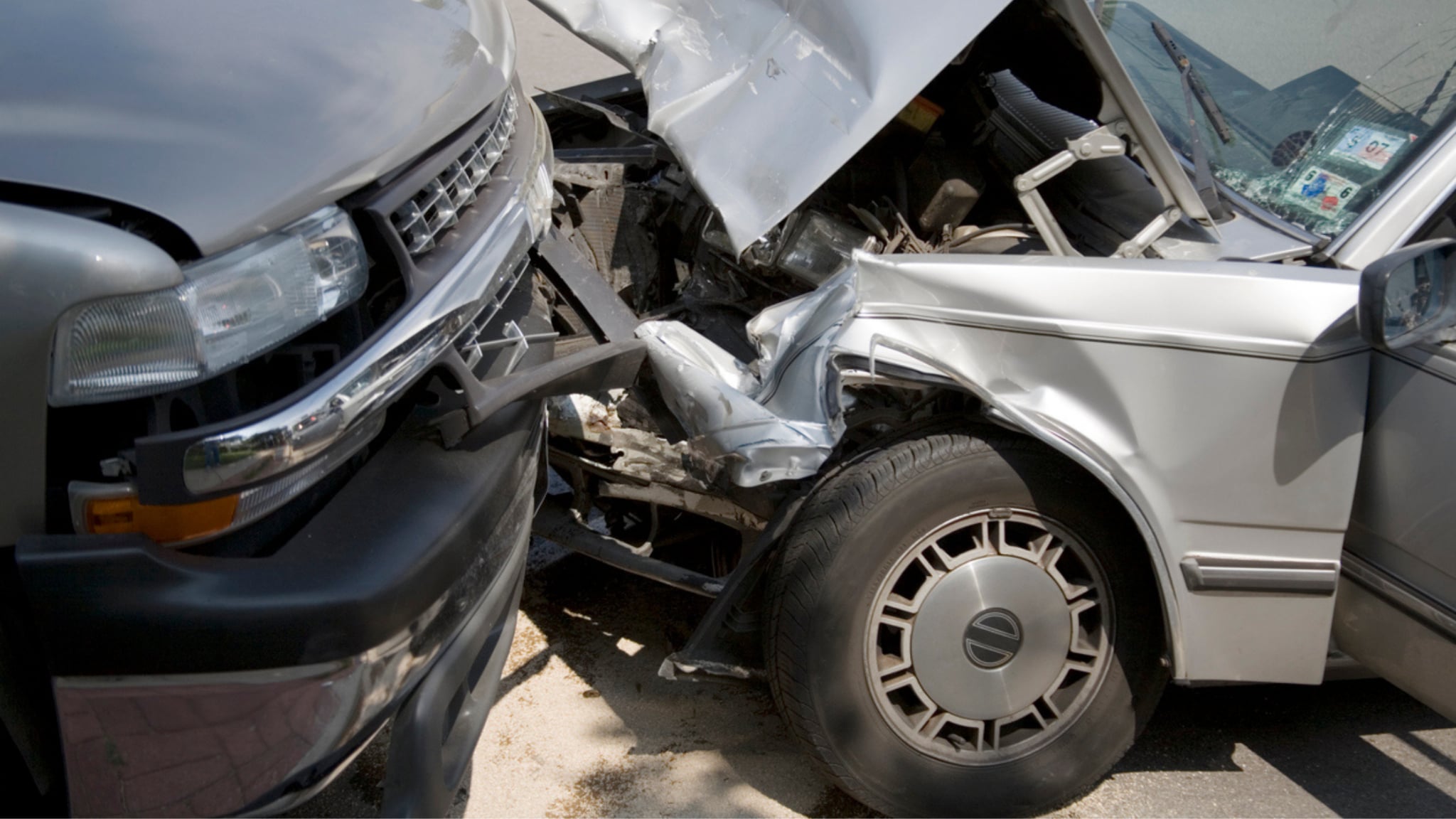
We’ve all been there — that split-second moment of panic when you realize something has gone terribly wrong on the road. Maybe you were running a few minutes late and crept a little over the speed limit. Maybe you were adjusting the radio when you should have had both eyes forward. Maybe you made a lane change at exactly the wrong moment. And then — crash.
Now, sitting at the scene with your heart pounding, your first instinct might be to assume the worst: “I was partly to blame. Does that mean I’m out of luck?”
In Michigan, being partly at fault does not automatically prevent you from recovering compensation. If you are 50% or less at fault, your recovery may be reduced by your percentage of fault. If you are 51% or more at fault, you may lose the ability to recover pain and suffering damages. Understanding how this works could be worth thousands — or even hundreds of thousands — of dollars to you and your family.
First Things First: Your Perspective at the Scene Is Very Limited
Here’s something most people don’t consider in the chaotic moments after a collision: you don’t actually know the full story yet. You might not know that the other driver was also speeding, texting, or driving impaired. You might not know that an accident reconstruction expert would assign them the majority of the blame.
None of that information is available to you immediately — which is why what you say at the scene matters enormously. Do not admit fault, and do not apologize — not to the other driver, not to witnesses, and not to the police. Even a well-meaning “I’m sorry” can be used against you before you even know what caused the crash.
Michigan’s Modified Comparative Fault Law
Michigan follows modified comparative fault under MCL 600.2959. Under this system, fault is divided between drivers and compensation is adjusted proportionally:
- 50% or less at fault: You can still recover damages, but your total award is reduced by your percentage of fault
- 51% or more at fault: You are barred from recovering pain and suffering damages, though you may still recover a reduced share of economic damages
That single percentage point is one of the most consequential numbers in Michigan personal injury law — and insurance companies know it. Here’s how the math works in practice:
A jury determines you were 20% at fault for speeding, while the other driver was 80% at fault for running a red light. Your total damages are $500,000:
| Type of Damages | Total Value | Your Reduction (20%) | What You Recover |
| Medical bills / lost wages | $300,000 | -$60,000 | $240,000 |
| Pain and suffering | $200,000 | -$40,000 | $160,000 |
| Total | $500,000 | -$100,000 | $400,000 |
Now imagine the insurance company successfully argues you were 51% at fault instead of 20%. Your pain and suffering award vanishes entirely — and a $400,000 recovery collapses dramatically. That is why the fight over fault percentages is so high-stakes.
Your No-Fault Benefits Are a Different Story
Michigan’s no-fault system operates completely separately from comparative fault. Under MCL 500.3105, your PIP benefits cover medical expenses, lost wages, and replacement services — whether you were 0% at fault or 100% at fault. Comparative fault only becomes a factor when you file a lawsuit against the at-fault driver for pain and suffering, which requires meeting the serious injury threshold under MCL 500.3135.
This is also why we strongly recommend adding uninsured/underinsured motorist coverage to your policy. Roughly 1 in 5 Michigan drivers are estimated to be uninsured — and if the driver mostly at fault for your crash had little or no insurance, UM/UIM coverage steps in and allows you to still recover the damages you’d otherwise be entitled to.
What To Do — and What Not To Do — After the Crash
Do:
- Call 911 immediately — a police report creates an official record
- Seek medical care right away, even if you feel okay — injuries like traumatic brain injuries often don’t appear immediately
- Document everything — photos, video, witness contact information, dashcam footage
- Call an attorney before giving any statements to any insurance company
Don’t:
- Admit fault or apologize at the scene — even “I’m so sorry” can be used against you
- Give a recorded statement to any insurer before speaking to an attorney
- Post anything about the accident on social media — photos or casual comments can be used to undermine your claim
- Wait — you have one year to apply for PIP benefits under MCL 500.3145 and three years to file a personal injury lawsuit under MCL 600.5805. Miss either deadline and that avenue of recovery is gone forever.
Partial Fault Doesn’t Mean No Case. It Means You Need the Right Team.
Accidents are rarely the fault of just one person, and Michigan’s comparative fault system was designed precisely to handle that reality. What matters isn’t whether you share some of the blame — it’s making sure your percentage of fault is accurately and fairly determined, not inflated by an insurance company protecting its bottom line.
With nearly $2 billion recovered for injured Michiganders, the team at Mike Morse Law Firm has the experience to fight for every dollar you deserve.
Call us today at 855-MIKE-WINS or contact us online. We’re here for you 24/7.
Content checked by Mike Morse, personal injury attorney with Mike Morse Injury Law Firm. Mike Morse is the founder of Mike Morse Law Firm, the largest personal injury law firm in Michigan. Since being founded in 1995, Mike Morse Law Firm has grown to over 250 employees, served 100,000 clients, and collected more than $2 billion for victims of auto, truck and motorcycle accidents. The main office is in Southfield, MI but you can also find us in Detroit, Sterling Heights and many other locations.