Jesus Moreno On His Accident And Extraordinary Recovery
Jesus Moreno, a triathlete run over by a city bus while riding his motorcycle, describes his catastrophic injuries, his decision to amputate his hand, why he switched law firms to Mike Morse, and his return to racing.


About This Episode
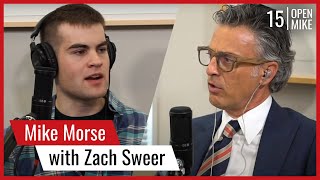
In this week’s Open Mike: Rewind, we revisit Mike’s interview with Jesus Moreno, an accomplished triathlete, duathlete, and marathon runner who was riding his motorcycle when a bus struck him, leaving him with catastrophic, life-changing injuries.
After initially consulting a different law firm to disappointing results, Jesus turned to the Mike Morse Law Firm to handle his case. His decision eventually resulted in one of the largest legal settlements in Michigan’s history, and a lifelong connection forged between Jesus and Mike.
In this moving throwback episode, Jesus frankly discusses the grave extent of his injuries, how the mental fortitude he developed through his athletic career assisted in the recovery process, and how he has managed to reassemble his life and once again find love in the wake of unthinkable adversity.
Show Notes
FAQs
-
What happened to Jesus Moreno in his motorcycle accident?
Jesus was riding with his fiancée’s two brothers and was making a left turn from Jefferson when, according to Mike Morse, a city bus sped up, ran the red light and ran him over, including his helmet and his dominant right hand. He had multiple facial fractures and, he said, many fractures in his skull. Mike said his firm later found videos on the driver’s Facebook page that she recorded of people behind her while driving city buses.
-
Why did Jesus Moreno decide to amputate his own hand?
According to Mike Morse, a couple of fingers on Jesus’s dominant right hand were not functional, a prosthetic could not fit over it, and doctors said a full mechanical prosthetic hand would require amputating what was left. After many hours of discussion, Jesus chose amputation in hopes a prosthetic would give him some function and let him ride and run again. Jesus said doctors never tell you that you have to amputate; after research, the decision was his.
-
How did Jesus Moreno get back into triathlons after his injury?
Jesus said that after placing in the top 10 percent in regular races, he looked into competing against people with his own disability. In 2019 he began training with a group of athletes with disabilities and traveled to Wisconsin, Chicago and Los Angeles to compete nationally. He also credits a triathlon club in Sterling Heights with supporting him through group trainings and long runs.
-
Why did Jesus Moreno switch from the Fieger Law Firm to Mike Morse?
Jesus said the Fieger firm canceled meetings to go over his case two or three times, and in more than 11 months he never met Mr. Fieger despite multiple requests. Mike Morse said he urged Jesus to try one last time; when that Friday appointment was also canceled, Jesus came to Mike’s office that morning with his two sisters and hired the firm. Mike said very little work had been done on the file and his firm had to start from scratch.
-
How did Michigan's no-fault insurance system help Jesus Moreno's recovery?
Mike Morse said Jesus qualified for unlimited medical benefits under Michigan’s old no-fault system, which paid for his care, multiple prosthetics, his wages and help at home. Mike said that if he had instead chosen $250,000 or $500,000 in coverage under the current choice-based system, the money would have been depleted within two or three weeks and he would have been on Medicaid, without the brain-injury care, surgeries and prosthetics he received.
Keep Listening