Deer-Car Accident Lawyer
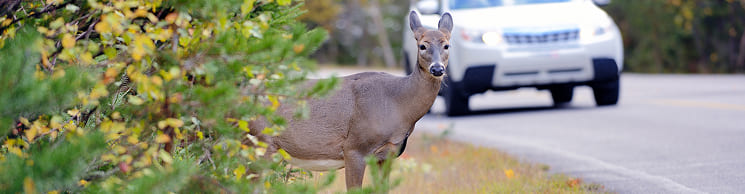
Deer are unpredictable when they are near roadways. They may become disoriented when they encounter a driver’s headlights. They may run out in front of a moving car instead of away from it. Deer may also cross a busy highway, seemingly oblivious to oncoming traffic.
Because of their erratic behavior around cars, deer are a significant driving hazard. A deer-car crash can be a serious situation, causing major damage to your vehicle and injury to the passengers inside.
Michigan Is a High-Risk State for Deer Collisions
The Michigan State Police report that more than 50,000 cars collide with deer annually. Michigan consistently ranks in the top five states nationwide for animal-vehicle collision insurance claims. The state ranked in third place between July 2021 and June 2022. If you’re driving in Michigan, you have a one in 51 chance of filing an insurance claim for an animal-vehicle crash.
When Deer Are Most Active
Mating, or rut, season for deer generally occurs in the fall months. Between October and December, bucks can exhibit erratic behavior as they roam around searching for a mate. They may run out into the open to find other deer, traveling for several miles from their home range in a day. The increased movement leads them to cross roads and highways as they branch out of their usual territory.
Deer become active again in the spring when they go through a change in metabolism. You may see them out looking for food. Young deer are also on the move to find new territory.
After a rainy period, deer may move to higher ground. They may travel across roadways in groups as they seek dry land. Deer often travel single-file, so if you see one near the road, you may spot a few more close behind.
Where Most Collisions Take Place
According to the Michigan State Police, most deer-car crashes happen on two-lane roads. You are more likely to encounter deer in rural settings than on the streets of a metropolitan area (although it can happen anywhere). They are active at dusk and dawn, and many crashes occur between 5 a.m. and 8 a.m. They also happen between 5 p.m. and 10 p.m.
How To Avoid a Deer Collision
Drivers can take preventive measures to avoid colliding with a deer.
Stay Vigilant in the Fall
Because most deer-car accidents occur in autumn, drivers should stay watchful. Deer may wander away from their home territory in search of a mate.
Look for Groups
If you see one deer, watch for more to follow behind it. Deer travel in groups and often walk single-file. Fawns are born in the spring and summer and travel with their mothers. Does travel in groups in the winter.
Watch for Deer at Night
At night, look for the reflections of deer eyes in the headlights. Use your bright lights to see farther in front of you. You need headlights to drive — at the same time, deer have excellent eyesight, and the light can disorient them easily. They may run toward a vehicle instead of away from it or stop suddenly in your path.
Watch the Side of the Road
Scan the roadside as you drive, especially in areas with low-growing, succulent vegetation that deer find attractive. Dusk and dawn are especially precarious for drivers because deer are most active then.
What To Do if You Encounter a Deer
While you may stay vigilant for deer as you drive, sometimes an encounter with a deer is inevitable.
Keep Driving Straight
Your instincts may tell you to swerve around a deer. However, it can make an accident worse. If you veer suddenly, you can run into a stationary object such as a tree or telephone pole. You can also put yourself in the path of an oncoming car. Swerving can confuse a deer and cause it to run toward your vehicle.
Resist the urge to veer away from the deer and keep the wheel straight. Keep in mind that swerving won’t necessarily avoid a collision.
Brake Firmly
Apply firm and steady pressure to the brakes. Bring the car to a controlled stop. Releasing the brakes right before a collision can raise the front of your vehicle and reduce the odds of the deer hitting your windshield.
Honk the Horn
If you can do so safely, try honking your horn to startle the deer. If you are lucky, it may run away from you.
What To Do After an Accident With a Deer
After a collision with a deer, the first thing to do is to get to a safe place. If you can drive the car, move it out of the road. Put on your hazard lights and watch for traffic before leaving your vehicle.
Don’t approach an injured animal. A wounded deer may jump up suddenly or lash out at you in fear. You could end up getting hurt.
Notify the Police
Michigan law does not require you to call the police after an accident. However, getting a police report can make things easier on you later if you have a claim.
You most likely have damage to your car after an accident with a deer. An adult animal can weigh about 300 pounds and has sharp hooves and antlers. Even a seemingly small amount of bodywork can quickly add up. Your insurance company may require a police report number, so it can be in your best interest to call the authorities and get a report.
If another driver was involved in the accident or if you’re hurt, it is vital for you to call the police.
Document the Scene
If you can do so safely, take photos of the accident scene. Note body damage, your surroundings and injuries.
Gather information from any witnesses present. If the accident involved multiple vehicles, exchange names and phone numbers with the other drivers.
Call Your Insurance Company
Michigan has a no-fault insurance protocol. If you purchased comprehensive coverage, your policy helps pay for repairs after you meet the deductible.
The personal injury protection portion of your insurance helps pay for medical bills and lost wages after an accident. The amount depends on the coverage you selected when you bought your policy.
Your insurance company may require a police report number to start your claim, so be ready to provide it when you call.
How an Attorney Can Help After a Deer-Car Accident
If another driver was in the deer-car accident with you and is determined to be at fault, your insurance coverage still applies under the no-fault insurance law. However, if you incur damages beyond your insurance limits, you may be able to recover those expenses by filing a lawsuit.
Mike Morse Law Firm Can Assist You After an Accident
Personal injury claims can get complicated. Call us if you have been in a deer-car accident and have questions about your legal rights, insurance coverage and benefits, or compensation amounts. The staff at Mike Morse Law Firm is experienced with car-deer accidents and how to handle them.
We offer a free consultation so that you can get answers to your questions about the accident — and you don’t have to worry about paying unless you win your case. Call us today to find out how we can help.
Content checked by Mike Morse, personal injury attorney with Mike Morse Injury Law Firm. Mike Morse is the founder of Mike Morse Law Firm, the largest personal injury law firm in Michigan. Since being founded in 1995, Mike Morse Law Firm has grown to over 250 employees, served 100,000 clients, and collected more than $2 billion for victims of auto, truck and motorcycle accidents. The main office is in Southfield, MI but you can also find us in Detroit, Sterling Heights and many other locations.